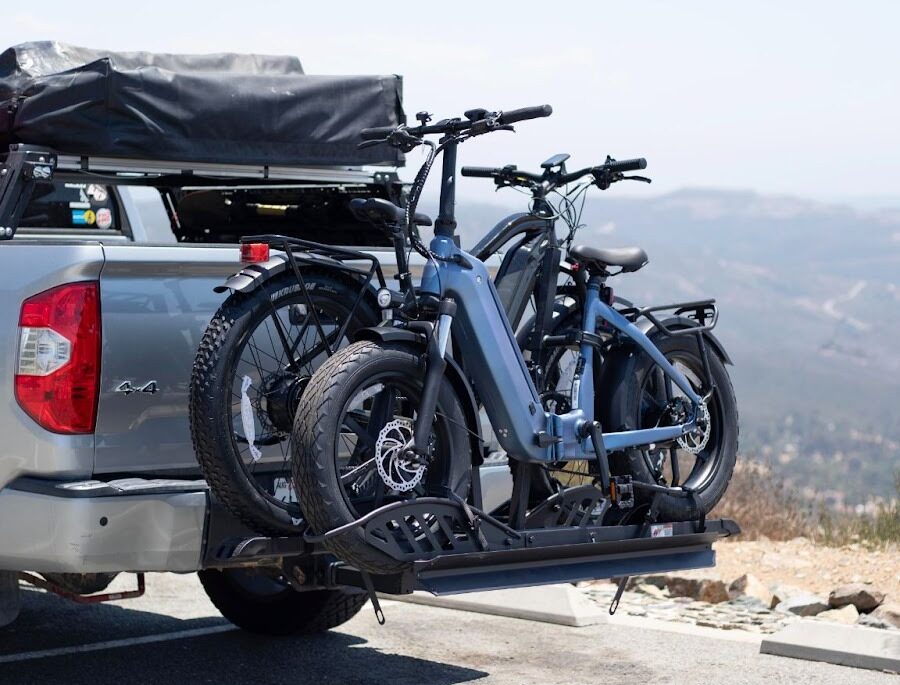
For contemporary cyclists, owning a bike is just the beginning. It is equally important to transport it safely to trails, scenic drives, or cycling events. Common methods like roof racks or strap based trunk carriers are not always stable, convenient, or protective. This is why hitch bike rack and e-bike racks have become essential for cyclists seeking reliable and easy-to-use solutions.
A hitch bike rack attaches to the vehicle’s hitch receiver, allowing a bicycle to be safely carried. Conversely, an e-bike rack is specifically designed to support the additional weight and unique size of an electric bike. Personally, switching to these racks has made weekend rides much easier, letting me focus on enjoying the journey rather than worrying about transportation.
Hitch Bike Rack: Making Bike Transportation Easier
Transporting bicycles has long been a challenge for cyclists. Roof racks require lifting bikes high above the car, which can be physically demanding and unsafe. Trunk systems rely on straps that can loosen, especially on long trips.
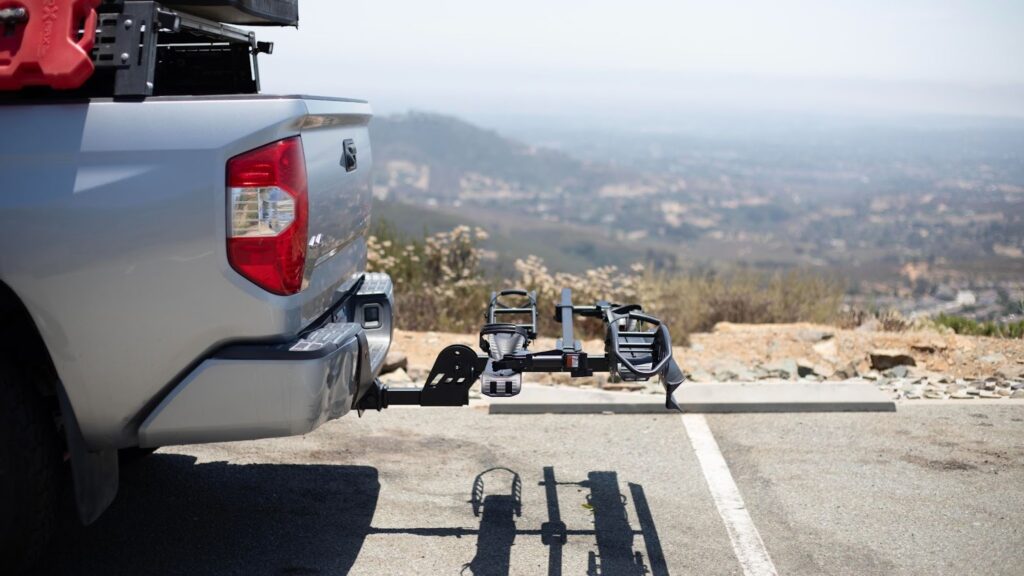
Hitch bike racks solve these problems by securely fitting into the vehicle’s hitch receiver. This design ensures bikes remain stable even on uneven surfaces while reducing the effort needed to load and unload them.
On a recent trip to a local cycling trail, I realized how quickly I could get ready to ride. The hitch rack allowed me to load my mountain bike without worrying about balance or stability—a convenience I hadn’t experienced with other systems.
E-Bike Rack: Designed for Heavier Bikes
With the rise of electric bicycles, transporting these heavier machines safely has become important. Ebike racks are built to accommodate the extra weight and unique frame geometry of e-bikes, ensuring safe transit without causing damage.
Ebike racks are usually reinforced, anti-wobble, and have increased weight capacity. The first time I used an ebike rack was with a full-sized electric commuter bike. It allowed me to load the bike without straining and gave peace of mind, knowing the bike was secure throughout the journey.
Many ebike racks also include padded cradles and adjustable supports to protect the motor, battery, and frame features that are invaluable for riders of high-end electric bikes.
Hitch Bike Racks vs E-Bike Racks
Although both types of racks provide safe transportation, their use differs:
- Hitch bike racks: Ideal for traditional road bikes, mountain bikes, and hybrids. They are stable, convenient, and easy to handle, suitable for casual riders or families.
- Ebike racks: Designed for heavier electric bikes. Reinforced construction, anti-wobble features, and higher load capacity ensure safety during transport.
Some e-bike racks are versatile enough to carry both traditional bikes and e-bikes, making them suitable for mixed-bike households.
Features to Look for in Modern Racks
When selecting a hitch or ebike rack, certain features are important:
- Durable materials: Reinforced steel or heavy-duty aluminum ensures long life and rust resistance.
- Adjustable cradles and padded supports: Protect the bike from scratches or damage.
- Tilt mechanisms: Allow access to the trunk or hatch without removing bikes.
- Anti-wobble systems and built-in locks: Enhance stability and security.
These features save time, prevent frustration, and provide confidence when traveling with multiple bicycles.
Practical Advantages of Hitch and E-Bike Racks
Convenience is a major benefit. Bikes can be loaded faster and with less physical effort, particularly heavier ones.
Hitch-mounted racks are low, unlike roof racks, making access to parking garages and drive-throughs easy. They also reduce wind resistance and noise, especially on highways. Personally, these practical benefits make cycling trips smoother, leaving more time to enjoy the ride instead of preparing the bikes for transport.
Safety Considerations
Transporting any bicycle safely is essential. Make sure the vehicle’s hitch receiver can support the weight of both the rack and bikes. Bikes should be secured with cradles, straps, or clamps to prevent movement during travel.
Anti-wobble and reinforced racks provide additional protection, particularly for e-bikes, which have motors and sensitive electronics. Proper installation and periodic checks during long trips ensure stability and prevent accidents.
Conclusion
Bicycle transportation is a necessity for modern cyclists. Hitch bike racks offer stable and convenient solutions for traditional bikes, while ebike rack provide safe transport for heavier electric bikes.
The quality of the rack enhances travel efficiency, protects valuable equipment, and reduces stress. Features like anti-wobble systems, padded cradles, and tilt mechanisms improve safety and convenience.
Investing in a good hitch or e-bike rack allows cyclists to focus on what matters most: riding, exploring new trails, and enjoying the journey without worrying about the security of their bikes.
Frequently Asked Questions
Can I carry an e-bike on a regular hitch bike rack?
Lightweight e-bikes can fit on some standard racks, but heavier models require specialized e-bike racks for safe transport.
Are hitch and e-bike racks compatible with all vehicles?
Most fit standard 1.25-inch or 2-inch hitch receivers. Always confirm compatibility with your vehicle.
How many bicycles can these racks hold?
Typically, two to five bicycles, depending on the model. Weight restrictions are particularly important for e-bikes.
Do these racks require tools for installation?
Most high-quality racks are easy to install, often requiring only a pin or tightening mechanism.Do hitch racks affect driving performance?
Hitch-mounted racks have minimal impact on handling and fuel efficiency compared to roof racks.
