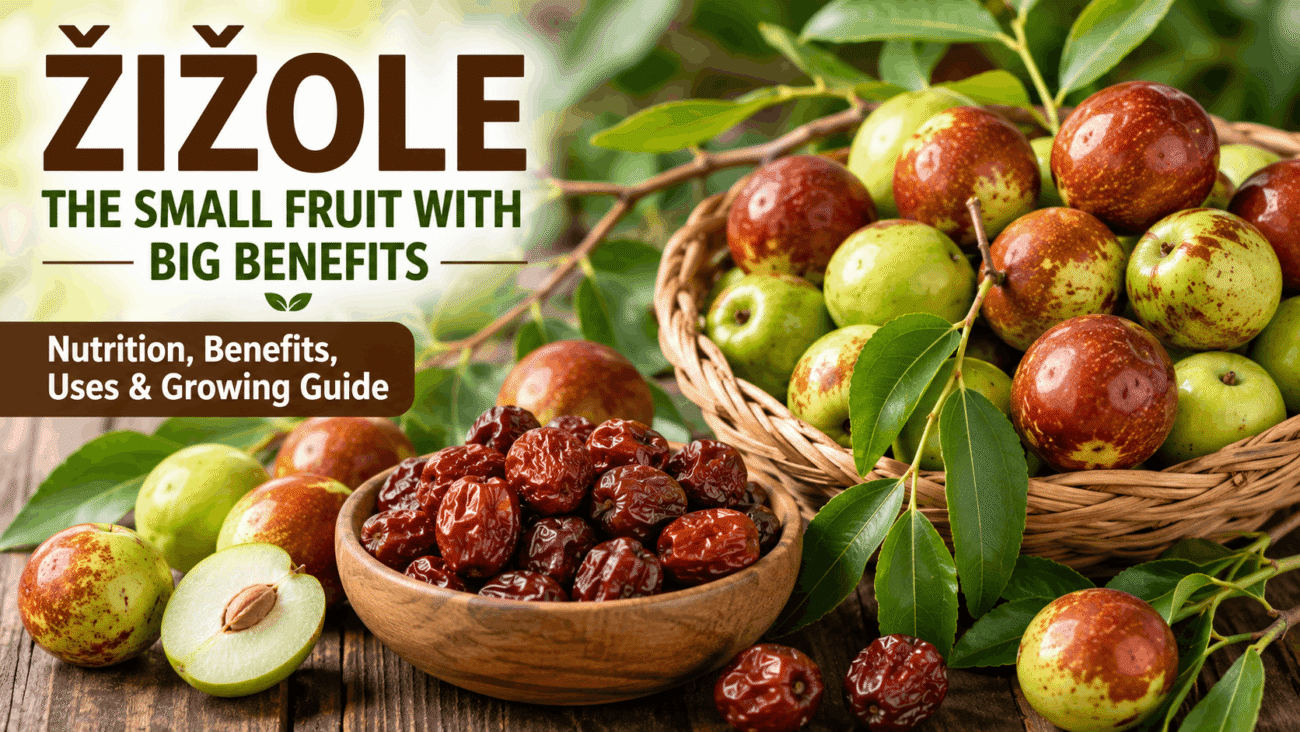
If you’ve ever visited parts of the Mediterranean or Eastern Europe, you may have come across a small fruit called žižole. At first glance, it doesn’t look particularly special. It’s small, round, and turns from green to reddish-brown as it ripens. But don’t let its size fool you. Žižole has been enjoyed for centuries because of its naturally sweet taste, impressive nutrition, and versatility in the kitchen.
Many people know this fruit by another name—jujube or Chinese date. While it’s not as common as apples or oranges, it’s slowly becoming more popular among people who enjoy trying unique fruits and eating healthier foods.
Whether you’re curious about its taste, wondering how to eat it, or thinking about growing your own tree, this guide covers everything you need to know about žižole.
What Is Žižole?
Žižole is the fruit of the Ziziphus jujuba tree. The tree has been cultivated for thousands of years and is believed to have originated in China before spreading across Asia, the Mediterranean, and parts of Europe.
Depending on where you live, you might hear different names for the same fruit. In Croatia and Slovenia, people commonly call it žižole. Elsewhere, it’s known as jujube, Chinese date, or red date.
One interesting thing about this fruit is how much it changes as it ripens. Fresh žižole is crisp and juicy, almost like biting into a small apple. Once it dries, though, it becomes soft, chewy, and much sweeter.
Quick Facts About Žižole
| Feature | Details |
|---|---|
| Scientific Name | Ziziphus jujuba |
| Common Names | Žižole, Jujube, Chinese Date |
| Taste | Sweet and mildly tangy |
| Texture | Crisp when fresh, chewy when dried |
| Growing Season | Late summer to autumn |
| Uses | Fresh fruit, tea, desserts, jams, snacks |
What Does Žižole Taste Like?
People often ask this question because the fruit isn’t widely available everywhere.
Fresh žižole has a mild sweetness with a crisp bite. Imagine a small apple with a slightly pear-like texture. It’s refreshing without being overly sugary.
As the fruit matures, the sweetness becomes richer. When dried, it tastes surprisingly similar to dates, which explains why many people call it the Chinese date.
Every stage offers something different, so honestly, it’s worth trying both fresh and dried versions.
Nutritional Value of Žižole
Žižole isn’t just delicious. It’s also packed with nutrients that can support a healthy diet.
Some of the important nutrients include:
- Vitamin C
- Dietary fiber
- Potassium
- Calcium
- Iron
- Natural antioxidants
- Small amounts of B vitamins
Here’s a quick overview.
| Nutrient | Why It Matters |
| Vitamin C | Supports the immune system |
| Fiber | Promotes healthy digestion |
| Potassium | Helps maintain normal blood pressure |
| Iron | Supports healthy blood cells |
| Calcium | Important for bones and teeth |
| Antioxidants | Help protect cells from damage |
Because fresh fruit contains plenty of water, it’s also a refreshing snack during warm weather.
Health Benefits of Žižole
Although no single fruit can replace a balanced diet, žižole offers several benefits that make it worth adding to your meals.
1. Rich in Antioxidants
Like many colorful fruits, žižole contains antioxidants that help protect your body’s cells from oxidative stress.
A diet rich in antioxidant-containing foods may contribute to overall wellness.
2. Supports Immune Health
Fresh žižole is naturally high in vitamin C.
Vitamin C plays an important role in supporting your immune system, helping your body heal, and protecting healthy tissues.
That’s one reason many people enjoy eating fresh fruit during colder months.
3. Good for Digestion
Fiber is essential for digestive health.
Eating fiber-rich fruits like žižole may help:
- Support regular bowel movements
- Feed beneficial gut bacteria
- Keep you feeling full longer
It’s a simple addition to a balanced eating plan.
4. Provides Natural Energy
Unlike processed snacks loaded with refined sugar, žižole provides natural carbohydrates.
That makes it a handy snack before work, during travel, or after light exercise.
5. May Support Heart Health
Potassium helps regulate fluid balance and supports normal muscle function, including the heart.
Combined with healthy lifestyle choices, potassium-rich foods can be part of a heart-friendly diet.
Fresh vs. Dried Žižole
Both versions have their own advantages.
| Fresh Žižole | Dried Žižole |
| Crisp texture | Soft and chewy |
| Higher water content | More concentrated sweetness |
| Refreshing snack | Great for baking |
| Rich in Vitamin C | Longer shelf life |
| Best eaten quickly | Easy to store |
Some people actually keep both at home because each works well for different recipes.
How to Eat Žižole
The good news is that you don’t need any special preparation.
Here are a few easy ways to enjoy it.
Eat It Fresh
Wash the fruit thoroughly and simply bite into it.
Just remember to remove the hard seed before eating the entire fruit.
Dry It
Drying makes the fruit naturally sweeter.
Many people enjoy dried žižole as a healthy snack during the day.
Brew Tea
Dried fruit can be steeped in hot water to create a mildly sweet herbal tea.
Some people also combine it with ginger or cinnamon for extra flavor.
Make Homemade Jam
Žižole jam has a pleasant sweetness that pairs nicely with toast, pancakes, or yogurt.
Add It to Desserts
It works well in:
- Cakes
- Muffins
- Fruit salads
- Cookies
- Rice pudding
- Smoothies
Can You Grow Žižole at Home?
Yes, you can.
In fact, the jujube tree is considered fairly easy to grow once established.
It prefers:
- Full sunlight
- Warm climates
- Well-drained soil
Young trees require regular watering, but mature trees tolerate dry conditions much better than many fruit trees.
Basic growing steps include:
- Select a sunny location.
- Plant in fertile, well-drained soil.
- Water consistently during the first year.
- Prune lightly each season.
- Harvest when fruits turn reddish-brown.
With proper care, the tree can produce fruit for many years.
How to Store Žižole
Proper storage helps preserve both flavor and texture.
Fresh Fruit
- Store in the refrigerator.
- Keep in a breathable container.
- Eat within one to two weeks.
Dried Fruit
- Place in an airtight container.
- Store in a cool, dry place.
- Keep away from direct sunlight.
Following these simple steps helps maintain freshness for much longer.
Possible Side Effects
For most people, žižole is perfectly safe when eaten as part of a balanced diet.
Still, moderation matters.
Eating too much may cause:
- Mild bloating
- Stomach discomfort
- Digestive upset in sensitive individuals
Anyone with food allergies or existing medical conditions should speak with a healthcare professional before making major dietary changes.
Buying Tips
If you’re shopping for fresh žižole, look for fruit that is:
- Firm
- Smooth
- Free from mold
- Evenly colored
- Without large bruises
For dried fruit, check that:
- The package is sealed.
- There is no excess moisture.
- No unnecessary added sugars are included if you prefer a more natural product.
FAQs
Is žižole the same as jujube?
Yes. Žižole is simply another name for the jujube fruit.
Can you eat the skin?
Yes. The skin is edible and doesn’t need to be peeled.
Is dried žižole healthy?
Yes. It contains fiber, minerals, and natural sugars, making it a nutritious snack when enjoyed in moderation.
Does žižole taste like dates?
Fresh fruit tastes more like an apple, while dried fruit has a flavor and texture similar to dates.
Can children eat žižole?
Yes, although the hard seed should always be removed before serving it to young children.
Conclusion
Žižole may not be the first fruit you think of when shopping, but it’s certainly one worth discovering. Its crisp texture when fresh, naturally sweet flavor when dried, and impressive nutritional profile make it a great addition to many diets.
Whether you enjoy it as a snack, brew it into tea, turn it into homemade jam, or use it in desserts, this small fruit offers plenty of possibilities. It’s also relatively easy to grow, making it an excellent choice for gardeners in warm climates.
If you’re looking to try something a little different while adding more nutritious foods to your meals, žižole is definitely worth a place on your table. Sometimes the smallest fruits bring the biggest surprises.
