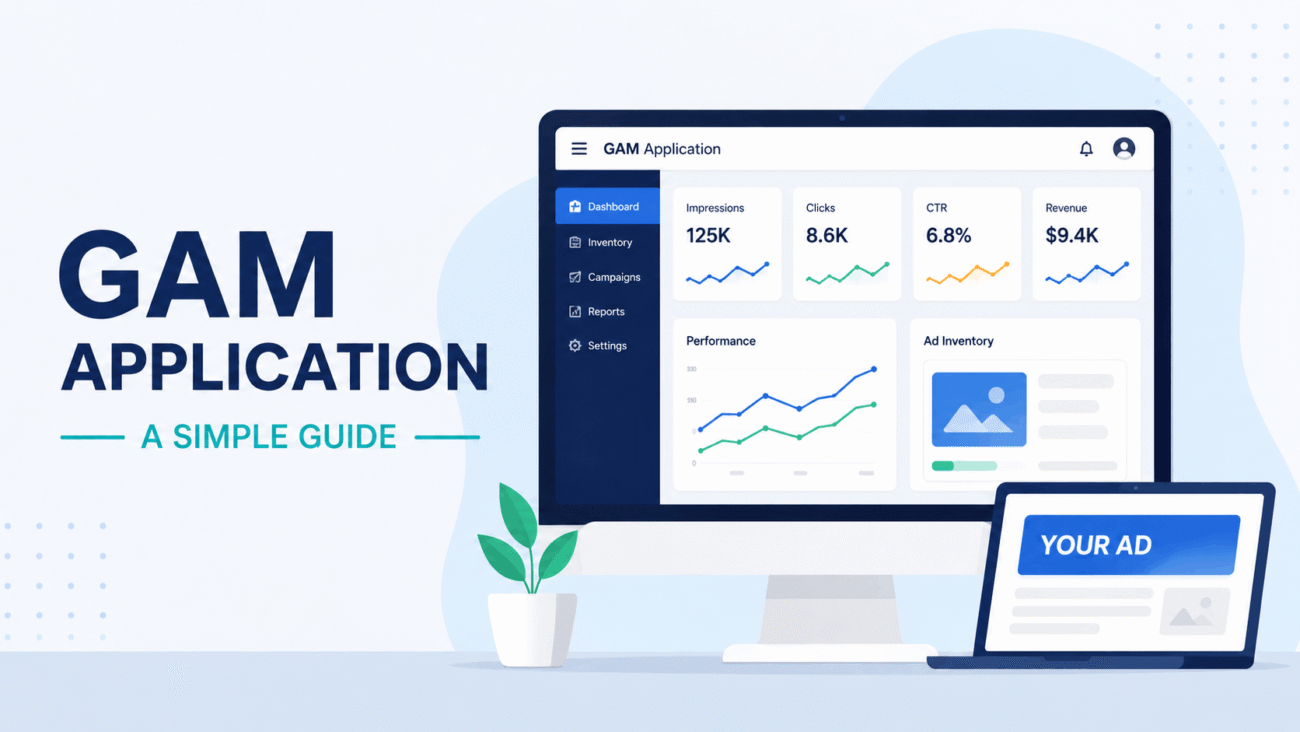
If you’ve been searching for information about a GAM application, you’ve probably noticed that the term can mean different things depending on the industry. In most business and technology discussions, GAM commonly refers to Google Ad Manager (GAM) or software used to manage digital advertising, inventory, reporting, and campaign performance.
For publishers, advertisers, and marketing teams, a GAM application serves as a central hub for managing online ads. Instead of handling every campaign manually, users can organize inventory, deliver ads, monitor performance, and optimize revenue from one platform.
Whether you run a news website, an online magazine, a blog, or a digital media business, understanding how a GAM application works can help you make better decisions about advertising and audience monetization.
This guide explains the basics, explores common features, and highlights practical situations where a GAM application adds value.
What Is a GAM Application?
A GAM application is software designed to manage digital advertising operations efficiently.
It helps publishers organize available ad space, deliver advertisements to visitors, track campaign performance, and generate reports that support better decision-making.
Instead of relying on multiple tools, a GAM application brings several advertising tasks into one platform.
Typical responsibilities include:
- Managing advertising inventory
- Scheduling campaigns
- Delivering ads across websites and apps
- Tracking impressions and clicks
- Monitoring revenue
- Generating performance reports
For growing businesses, this centralized approach saves time and reduces manual work.
How Does a GAM Application Work?
Although different platforms offer different features, the overall process follows a similar pattern.
First, publishers define the advertising spaces available on their website or mobile application.
Advertisers then create campaigns that target those spaces according to budgets, audience segments, locations, devices, or other targeting options.
When a visitor loads a page, the GAM application determines which advertisement should appear based on the campaign settings.
After the ad is displayed, the platform records performance data that can later be reviewed through reports and dashboards.
This automated process happens within seconds, allowing websites to serve relevant advertisements without manual intervention.
Why Businesses Use GAM Applications
Digital advertising has become increasingly complex.
Many businesses manage dozens or even hundreds of advertising campaigns at the same time.
Without a centralized platform, keeping track of inventory, schedules, reporting, and advertiser requirements quickly becomes overwhelming.
A GAM application simplifies these responsibilities by bringing everything into one place.
Instead of switching between multiple systems, publishers can manage campaigns, review analytics, and optimize performance through a single dashboard.
Key Features of a GAM Application
Most modern GAM platforms include a wide range of tools designed to simplify advertising management.
Inventory Management
Publishers can organize available advertising space across websites and mobile applications.
This makes it easier to understand which placements are available, reserved, or currently generating revenue.
Campaign Scheduling
Campaigns can start and stop automatically according to selected dates and times.
Automation reduces the risk of ads continuing after contracts expire.
Audience Targeting
Many GAM applications allow advertisers to reach specific audiences using information such as:
- Geographic location
- Device type
- Browser
- Interests
- User behavior
- Time of day
More accurate targeting often improves campaign performance for both publishers and advertisers.
Performance Reporting
Reporting tools allow users to monitor campaign results through dashboards and downloadable reports.
Common performance metrics include:
- Impressions
- Clicks
- Click-through rate (CTR)
- Revenue
- Fill rate
- Viewability
Businesses should always verify the latest reporting standards and advertising metrics because measurement practices continue to evolve.
Automation
One of the biggest advantages of a GAM application is automation.
Instead of manually assigning advertisements to individual pages, rules determine which campaigns receive priority based on predefined conditions.
This saves considerable time for larger publishers.
Common Industries That Use GAM Applications
Although digital publishers are the primary users, many organizations benefit from advertising management software.
Common examples include:
- News websites
- Sports media companies
- Entertainment platforms
- Blogging networks
- Online magazines
- Educational websites
- Mobile app developers
- Video streaming platforms
Each organization may have different advertising goals, but the need for organized campaign management remains similar.
Benefits for Small Businesses
A common misconception is that advertising management platforms are only useful for large media companies.
In reality, smaller publishers often benefit just as much.
As traffic grows, manually managing advertising partnerships becomes increasingly difficult.
Using a GAM application helps smaller businesses stay organized while creating processes that can scale over time.
Instead of rebuilding advertising workflows later, businesses establish efficient systems from the beginning.
Is a GAM Application Right for You?
The answer depends on how your organization handles advertising.
If you manage only a few advertisements each month, simpler solutions may be enough.
However, websites with growing traffic, multiple advertisers, or several revenue sources often reach a point where manual management becomes inefficient.
A GAM application provides the structure needed to organize campaigns, monitor performance, and improve long-term advertising operations.
GAM Application vs. Traditional Ad Management
As websites grow, advertising becomes more difficult to manage manually. Keeping track of campaign dates, advertiser requests, available inventory, and performance reports can quickly become overwhelming.
A GAM application helps automate many of these tasks, allowing publishers to spend more time improving their content and less time managing spreadsheets.
| Feature | GAM Application | Manual Ad Management |
|---|---|---|
| Campaign scheduling | Automated | Manual |
| Ad delivery | Dynamic | Manual placement |
| Reporting | Real-time dashboards | Separate reports |
| Audience targeting | Advanced | Limited |
| Inventory management | Centralized | Often spreadsheet-based |
| Scalability | Excellent | Difficult as traffic grows |
For websites with multiple advertisers, the difference becomes noticeable very quickly.
Real-World Example
Imagine a local news website that publishes dozens of articles every day.
Several businesses want to advertise on different sections of the site. One advertiser wants banner ads only on sports pages, while another prefers the homepage during weekends.
Trying to manage these campaigns manually would require constant updates.
With a GAM application, the publisher simply creates campaign rules. The software automatically delivers the correct ads based on schedules, page locations, and targeting preferences.
This reduces errors while saving valuable time.
Advantages of Using a GAM Application
Organizations often adopt advertising management software because it improves both efficiency and organization.
Some of the biggest advantages include:
Better Organization
Instead of storing campaign information across multiple files, everything remains available within one dashboard.
Campaign details, advertisers, reports, and inventory become easier to manage.
Time Savings
Automation eliminates many repetitive tasks.
Scheduling campaigns, rotating advertisements, and generating reports require much less manual effort than traditional methods.
Improved Campaign Performance
Access to reporting tools allows publishers to identify which advertisements perform well and which need improvement.
Rather than making assumptions, decisions can be based on actual campaign results.
Easier Growth
As website traffic increases, advertising operations become more complex.
A GAM application makes it easier to scale without completely changing internal workflows.
Potential Limitations
No software is perfect.
Before choosing any advertising platform, it’s important to understand a few potential challenges.
Learning Curve
New users often need time to understand campaign settings, targeting options, and reporting features.
Fortunately, most platforms provide documentation and tutorials that make the learning process much easier.
Initial Setup
Creating ad inventory, defining placements, and organizing campaigns requires some planning.
Although setup takes time, the long-term efficiency usually outweighs the initial effort.
Feature Complexity
Large advertising platforms often include advanced options that smaller publishers may never use.
Starting with basic features and gradually exploring advanced tools is usually the best approach.
Expert Tips for Getting the Most from a GAM Application
Successful publishers rarely rely on automation alone.
They regularly review campaign performance and make adjustments when necessary.
A few best practices include:
- Keep advertising inventory organized from the beginning.
- Name campaigns consistently to simplify reporting.
- Review performance reports regularly instead of waiting until campaigns end.
- Test different ad placements to understand what works best for your audience.
- Balance revenue goals with user experience by avoiding excessive advertising.
Small improvements made consistently often produce better long-term results than major changes made infrequently.
Common Mistakes to Avoid
One of the most common mistakes is focusing only on revenue.
Displaying too many advertisements can negatively affect user experience, causing visitors to leave the website sooner.
Another mistake is ignoring reporting data.
Performance reports exist to help identify trends and opportunities. Reviewing them regularly allows publishers to make informed decisions instead of relying on guesswork.
Some businesses also neglect campaign organization.
Using inconsistent naming conventions or poorly organized inventory makes reporting much harder as the number of campaigns increases.
Finally, don’t assume every advertising strategy works equally well for every website.
Testing different placements, formats, and schedules often leads to better long-term performance.
Choosing the Right GAM Application
Not every publisher has the same needs.
Before selecting an advertising management platform, consider questions like:
- How many campaigns will you manage each month?
- Will multiple team members access the platform?
- Do you need advanced audience targeting?
- How important are detailed reporting tools?
- Will your advertising operations likely grow over the next few years?
Answering these questions helps narrow your options and ensures the software matches your business goals rather than adding unnecessary complexity.
FAQs
What is a GAM application used for?
A GAM application is used to manage digital advertising more efficiently. It helps publishers organize ad inventory, schedule campaigns, serve advertisements, monitor performance, and generate reports from a centralized dashboard. This reduces manual work and makes advertising operations easier to manage.
Is a GAM application only for large businesses?
No. While large publishers often rely on advertising management platforms, small businesses and growing websites can benefit as well. Even if you only work with a handful of advertisers today, using a GAM application can create organized workflows that scale as your business grows.
How does a GAM application improve advertising performance?
A GAM application provides reporting and analytics that help publishers understand how campaigns are performing. By reviewing impressions, clicks, revenue, and other metrics, businesses can identify successful campaigns and make informed adjustments. Always verify the latest advertising metrics and reporting standards, as industry practices continue to evolve.
Do I need technical experience to use a GAM application?
Basic computer skills are usually enough to get started. However, advanced features such as audience targeting, inventory management, and campaign optimization may require some learning. Most advertising platforms provide documentation, tutorials, and support resources to help new users.
Can a GAM application work with websites and mobile apps?
Yes. Many modern advertising management platforms support both websites and mobile applications. This allows publishers to manage campaigns across multiple digital properties while keeping reporting and inventory organized in one place.
Final Thoughts
Managing digital advertising becomes more challenging as websites grow. What starts as a few simple banner placements can quickly turn into dozens of campaigns, multiple advertisers, and thousands of daily ad requests.
A GAM application helps simplify that process by bringing campaign management, inventory, reporting, and automation together in one platform. Instead of relying on spreadsheets and manual updates, publishers can organize their advertising operations more efficiently and make decisions based on performance data.
That doesn’t mean every website needs the most advanced advertising tools available. Smaller publishers may only need basic features at first, while larger organizations often benefit from more sophisticated campaign management and audience targeting options.
The most important step is choosing a solution that fits your current needs while leaving room for future growth.
As digital advertising continues to evolve, staying organized and regularly reviewing campaign performance will remain just as important as the software itself. By combining a reliable GAM application with thoughtful optimization and a positive user experience, businesses can build advertising strategies that support long-term success.
