
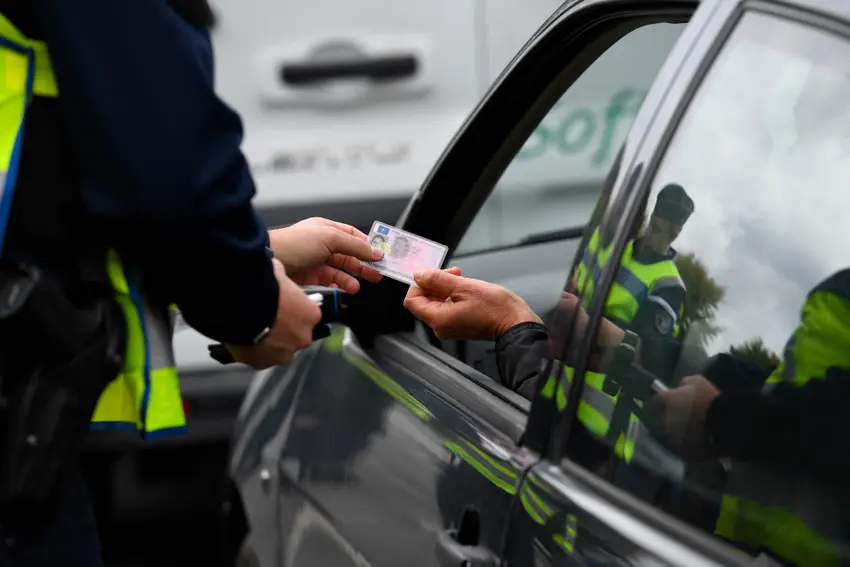
One of the biggest changes that the European Union has made in the EU Driving License Directive: What’s Changing in 2025 is also one of the biggest changes in the years to the way in which driving is licensed, regulated, and recognized in the European Union. Whether you are a young driver, an experienced driver, or an individual who wishes to move to another part of the European Union, the changes are bound to be felt in the way in which driving licenses are issued and recognized in the European Union.
Digital Driving Licences Become the Norm
One of the most significant changes resulting from these developments is that there will be a digital EU Driving License Directive: What’s Changing in 2025 licence that will be accepted in every member state of the EU. This means that at the end of the transition period following Brexit (which will be completed by approximately 2030), all EU residents will have access to their driving licences on their mobile devices via the European Digital Identity Wallet. This initiative supports the digitalisation of Public Services and streamlining of administrative tasks such as renewing driver’s licenses, replacing lost/unregistered driver’s licences and exchanging expired or unregistered driver’s licenses in the EU. While the physical license will be available upon request, especially for those who need it for traveling to other nations outside the EU, it is important to note that not all nations may allow the usage of digital driving licenses.
Harmonised Probationary Period for New Drivers
For the first time, EU legislation is to introduce a minimum probationary period of at least two years for all new drivers; during that time period, new drivers will face additional penalties (for example, with respect to drink driving, drug driving or not wearing seat-belts or any other type of safety equipment), compared to existing drivers. This is meant to allow all new drivers more time to develop their driving skills or to gain driving experience while driving in a safe and controlled environment.
By achieving greater harmonisation of the rules of different Member States, young or inexperienced drivers will be treated in exactly the same way, irrespective of how their respective governments have approached the issue of providing additional protection to their citizens. It will also be beneficial for drivers who move from one country to another.
Accompanied Driving and Lower Age Limits
It also proposes an EU-wide accompanied driving system for 17-year-olds. Under this system, it’s possible for young people to have a license and drive a vehicle while being accompanied by an experienced driver, which could provide valuable experience for the young driver. The system could also be applicable to vans and even lorries in some countries.
Enhanced Training and Testing Requirements
Under the revised directive, driver training and tests will be adapted to current realities. Apart from knowledge, drivers will be tested on. This will help prepare drivers adequately for real-world challenges, thereby reducing accidents.
New Validity Periods
The Directive standardises the validity of a EU Driving License Directive: What’s Changing in 2025. The validity period for car and motorbike licences will be 15 years, except for those licences that are used as a national identity card, which will still be valid for 10 years. Truck and bus driver professional licences must be renewed every five years to assess fitness to drive. Member states are given leeway to require a driver to undergo a medical examination after a certain age.
Fitness to Drive: Medical and Self‑Assessment
Yet another important feature of this reform is related to fitness to drive. In this context, it is expected that applicants would either be subject to a medical examination or assess their fitness to drive before they are licensed or renew their licenses. This would ensure that they are fit to drive a car for a given period.
Cross‑Border Recognition of Driving Disqualifications
Another major change in the implementation of the Directive is the recognition of disqualification from EU Driving License Directive: What’s Changing in 2025. Previously, a disqualification of a driver within a given country would only apply to that country. Therefore if someone committed an offense as a driver in one member state than he or she could drive legally in another. This will no longer happen with changes to law, as someone who has committed a serious driving offence i.e. speeding, driving when intoxicated or causing serious injury to other person(s) will have their disqualification recognised across all member states.
Recognition and Mobility for Citizens
This new Directive will help citizens acquire their driving license in their home member state under specific conditions of language or service, even if they live in another member state. This is important for expatriates and mobile Europeans, as they may encounter difficulties regarding language in acquiring a driving license in another member state.
Implementation Timeline
Member states have been provided with a transition period to implement the new provisions of the Directive. It is likely that the electronic driving license will be rolled out gradually, while the remainder of the provisions will become effective either in 2029 or 2030.
Conclusion:
The 2025 version of the EU Driving License Directive marks a significant step forward in terms of uniformity, modernization, and safety on the roads of Europe. While it may seem like the European Union is merely making driving licenses more convenient, it’s really about making safer and more intelligent drivers who are geared up for the roads of the future. Whether it’s digital driving licenses, the introduction of a probationary period, or the enforcement of driving across borders, this is a change that will be felt by virtually every driver in the European Union in the near future.
For those individuals looking to cross borders, start driving, or renew their current driving license, it’s essential to be aware of the changes that are coming down the line. Whether it’s the new system of administration or the new forms of training and safety, the future of driving in the European Union is a bright one indeed.