
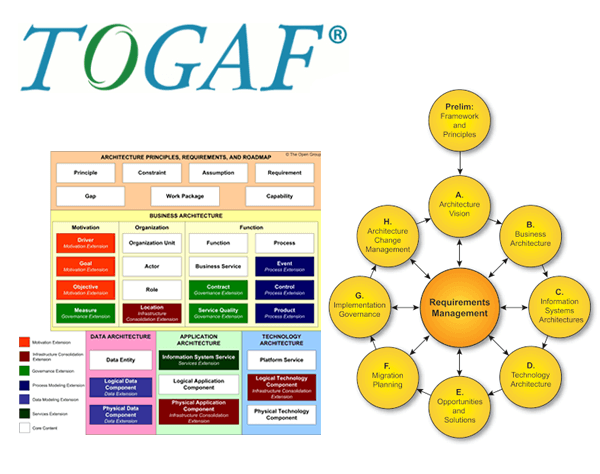
Cloud-native architecture has revolutionised how organisations build and deploy applications. With businesses increasingly adopting microservices, containerisation, and serverless technologies, the demand for architects who can design scalable, resilient systems has surged dramatically. However, successfully implementing cloud-native strategies requires more than technical expertise—it demands a structured architectural approach. This is precisely where TOGAF Certification becomes invaluable, equipping professionals with the frameworks needed to align cloud initiatives with business objectives.
The Rise of Cloud-Native Architecture
Organisations worldwide are migrating from traditional monolithic systems to cloud-native architectures. This shift enables greater agility, faster deployment cycles, and improved cost efficiency. According to industry research, hybrid IT and multi-cloud strategies now dominate the enterprise landscape, with businesses requiring architectures that integrate both public and private cloud environments seamlessly.
However, this transition presents significant challenges. Without proper architectural governance, organisations risk creating fragmented systems, security vulnerabilities, and integration nightmares. Enterprise architects must navigate complex decisions regarding microservices design, API management, containerisation platforms, and serverless implementations—all whilst ensuring alignment with strategic business goals.
How TOGAF Enables Cloud-Native Success
The Open Group Architecture Framework (TOGAF) provides a comprehensive methodology for designing, planning, and governing enterprise architecture. For cloud-native initiatives, TOGAF Certification offers several critical advantages:
Strategic Alignment: TOGAF’s Architecture Development Method (ADM) ensures that cloud-native implementations directly support organisational objectives. Rather than adopting cloud technologies for their own sake, certified architects design solutions that deliver measurable business value.
Structured Governance: Cloud-native environments introduce complexity through distributed systems, multiple deployment pipelines, and diverse technology stacks. TOGAF Certification equips architects with governance frameworks that maintain consistency, security, and compliance across cloud ecosystems.
Integration Excellence: Modern enterprises rarely operate within single-cloud environments. TOGAF provides architectural principles for designing multi-cloud and hybrid strategies, ensuring seamless integration between on-premises systems and various cloud platforms.
Risk Management: Migrating to cloud-native architectures involves substantial risks, from data security concerns to vendor lock-in. Certified architects apply TOGAF’s risk assessment techniques to identify, evaluate, and mitigate potential threats before they impact operations.
Key Skills Gained Through TOGAF Certification
Professionals who pursue TOGAF Certification develop competencies essential for cloud-native success:
Architecture Vision Development: Creating compelling architectural visions that communicate cloud transformation benefits to stakeholders and secure executive sponsorship.
Business Architecture Mapping: Understanding how cloud-native technologies support business processes, customer experiences, and operational efficiency.
Technology Portfolio Management: Evaluating existing technology landscapes and designing migration roadmaps that minimise disruption whilst maximising cloud benefits.
Stakeholder Communication: Translating complex technical concepts into business language, ensuring alignment between IT teams and organisational leadership.
Growing Demand in India’s Technology Hub
India’s technology sector is experiencing unprecedented growth in cloud adoption. Major enterprises across banking, retail, healthcare, and manufacturing are investing heavily in cloud-native transformations. Consequently, the demand for TOGAF-certified architects has intensified across the country’s leading IT hubs.
Bangalore, recognised as India’s Silicon Valley, stands at the forefront of this transformation. The city hosts global technology giants, innovative startups, and numerous cloud service providers, all requiring skilled architects to lead their digital initiatives. Professionals pursuing TOGAF Training in Bangalore gain access to world-class instruction whilst positioning themselves within this thriving ecosystem.
The recent INITIATE Conclave 2025, hosted by The Open Group in Bangalore, highlighted the city’s growing importance as an enterprise architecture centre. This event brought together industry leaders, academia, and emerging architects, underscoring the tremendous career opportunities available for certified professionals.
For architects seeking to capitalise on cloud-native opportunities, TOGAF Training in Bangalore provides the credentials and expertise needed to stand out in a competitive job market. Certified professionals command premium salaries and access leadership positions within organisations undertaking major cloud transformations.
Conclusion
Cloud-native architecture represents the future of enterprise technology. However, successful implementation requires more than technical skills—it demands structured architectural thinking that aligns technology investments with business strategy. TOGAF Certification provides this essential foundation, empowering architects to design cloud-native solutions that deliver lasting value. For professionals committed to leading cloud transformations, investing in TOGAF certification is a strategic decision that unlocks exceptional career opportunities.