
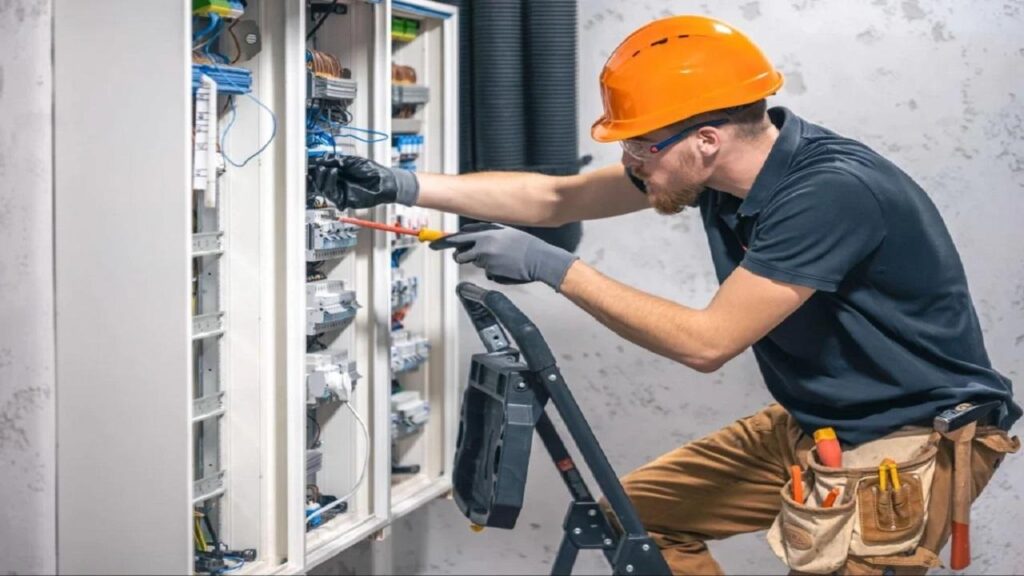
The backbone of the modern infrastructure is low-voltage electrical systems, which operate commercial buildings and factories, hospitals, data centers, as well as renewable energy installations. Although the use of standardized electrical components has been significant in most projects, modern applications have become more complex and thus, customization is becoming more necessary. Customization in low-voltage systems enabled by an Electrical Manufacturer has allowed the tailoring of solutions to meet specific operational, environmental, and regulatory requirements, thereby enhancing performance and safety.
The Shortcomings of One-Size-Fits-All Solutions
Standard electrical components are engineered to satisfy the general requirements in a wide scope of applications. Most of them are relatively inexpensive and simple to procure, thus making them useful in simple installations. But there are a lot of real-life projects that are run under conditions that are far less than these typical assumptions.
There are environmental factors in industrial environments that could be temperature, vibration, dust, or moisture. Building types like commercial buildings might need small-sized panels to accommodate narrow spaces of installation. There is a high degree of reliability and redundancy of facilities like hospitals or data centers that are critical. When this happens, there might be inefficiency, hazardous situations, or merely a shortened life of the equipment, as the standard products might not address the issues of the project.
Accommodation to Unique Electrical Load Requirements
Low-voltage customized components, like a circuit breaker and distribution panel, can be set with certain trip settings, breaking capacity, and protection. This is to guarantee that protection gadgets react well to the excesses, short circuits, and earth faults without unnecessary interruption.
An example here is that motor-heavy installations might need higher magnetic trip settings of breakers to carry inrush currents. Selective coordination between the upstream and downstream devices may be required in facilities that have critical loads to maintain a situation where only the faulty circuit is tripped. These goals can be achieved through customization without compromising system stability and safety.
Addressing Space and Installation Constraints
A typical issue with electrical design is space constraints, particularly in urban structures, retrofits, and small-scale industrial structures. The layouts of standard panels or components might not be within the size of the available area to install or may compromise accessibility or safety.
Tailor-made enclosures and panel designs enable manufacturers to make the best use of the internal layout of the particular site. Components may be planned in a way so as to maximize space usage without compromising correct clearances, ventilation, and accessibility to maintainability. This will minimize challenges during installation and is also able to meet the safety standards regarding the working space and heat dissipation.
There are also custom mounting options, cable entry designs, and busbar designs that may make the on-site installation simpler, save time, and minimize the chances of wiring mistakes.
Improving Security in Troubled Areas
The performance and the safety of low-voltage equipment are directly influenced by environmental conditions. Coastal, chemical plant, or dust-prone industrial installations need to be further safeguarded against corrosion, water, and contaminants. Likewise, high altitude or hot temperature conditions require changes in component rating and enclosure design.
Customization allows it to use special materials, coatings, sealings, and increase the IP-rated enclosures to safeguard the internal components against adverse environments. The thermal design can also be varied by means of better ventilation, heat sinks, or forced cooling to control the temperature increase within panels.
Meeting Regional and Industry Standards
The countries and industries have different electrical standards and certification requirements. Projects that are to be submitted to foreign markets might require being in line with various standards like IEC, UL, or local standards. There are also technical requirements of certain industries, such as healthcare, transportation, and renewable energy.
Customization enables manufacturers to make products that suit a specific project precisely in terms of standard and certification requirements. This can be through the application of particular component ratings, insulation systems, or protective features that are in line with regulatory expectations. Customized solutions prevent both expensive redesigns, delays in project start, and rejection at the inspection phase since compliance is ensured at the very beginning.
In favor of Advanced Monitoring and Control
Digital monitoring and smart control technologies are becoming more popular in modern electrical systems. Constructions of management systems, energy monitoring systems, and networks of industrial automation are in demand for electrical equipment capable of transmitting data on the operation in real time.
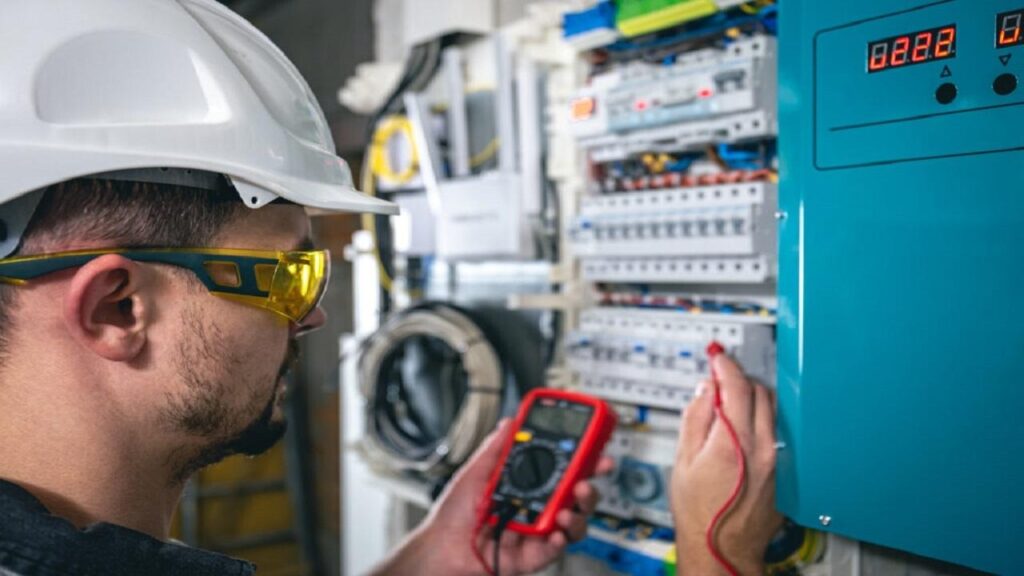
Specialized low-voltage panels may incorporate intelligent circuit breakers, communications modules, metering devices, and sensors specifically to the control architecture of the project. These functions allow current, voltage, energy consumption, and fault monitoring to be done remotely. The outcome is higher efficiency in the use of energy, proactive maintenance, and quicker fault diagnosis.
Enhancing Lifecycle Value and Reliability
The tailor-made solution improves the reliability in the long-term perspective because every part is correctly adjusted to his or her purpose and surroundings. When equipment is used in an ideal range of operation, it suffers less stress, fewer breakdowns, and has a longer service life.
Even though customized solutions might cost more than off-the-shelf products initially, they frequently have a higher lifecycle value. There are cost savings in the long run in reduced downtime, reduced maintenance needs, and better energy use. In mission-critical facilities, the implicit cost of avoiding unplanned downtimes is way more important than the incremental investment.
Enhancing Supplier-Customer Cooperation
Customization also enhances better cooperation between the manufacturer of goods, the engineers, and the owner of the project. In the design, technical deliberations aid in the process of clarifying operational requirements, site conditions, and future expansion plans. The resulting teamwork results in more knowledgeable decisions and solutions that are more aligned with the goals of the client.
Manufacturers that have high customization will be able to offer technical advice, design support, and quick prototyping. Such a model based on partnership will not only enhance the results of the project but also instill trust between the suppliers and their clients in the long run.
Conclusion
The concept of customization is critical in the low-voltage electrical production sector in order to respond to the specific technical, environmental, and regulatory issues of contemporary electrical installations. Ranging in capability to adapt to certain load profiles and space requirements as well as add value to safety, compliance, and digital capabilities, specially designed solutions have obvious benefits compared to generic ones. With the specifications of individual projects in mind, customized low-voltage equipment provides a higher level of reliability, better performance, and long-term value and is therefore a vital approach in the modern electrical sector that is ever-changing.