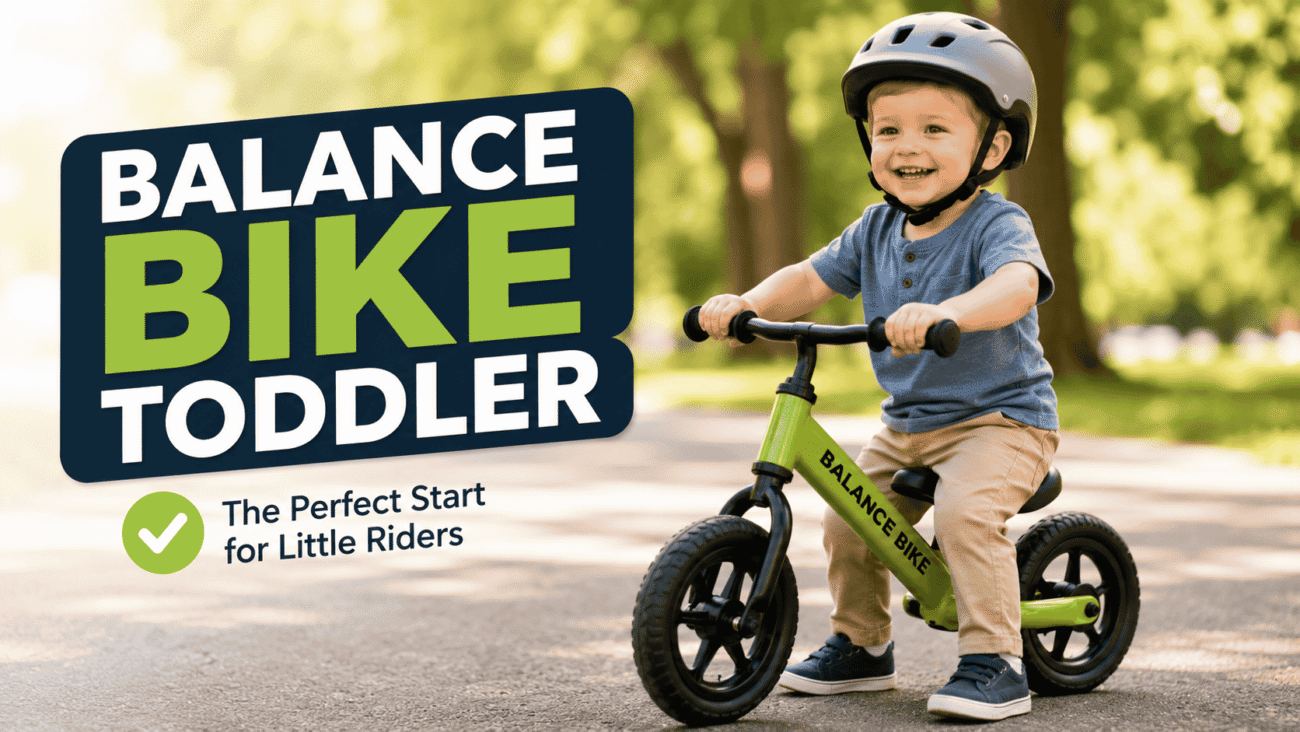
Watching a toddler take off on their first bike is exciting, but the experience depends a lot on choosing the right one. A well-fitted balance bike toddler model helps young children build confidence, improve coordination, and learn steering and balance before they ever touch pedals.
Unlike traditional bikes with training wheels, balance bikes encourage kids to use their feet for stability while naturally learning how to balance. Many parents find that children who start with a balance bike transition to a regular bicycle much more easily.
In this guide, you’ll learn how to choose the right toddler balance bike, what features really matter, how to find the correct size, and whether popular options like a strider balance bike toddler model are worth considering. By the end, you’ll know exactly what to look for when shopping for your child’s first bike.
Why Choose a Balance Bike Instead of Training Wheels?
For years, training wheels were considered the standard way to teach children to ride a bike. Today, many parents and cycling experts recommend balance bikes because they focus on the skill that matters most—balancing.
A balance bike has no pedals, chain, or training wheels. Children sit on the saddle, push themselves forward with their feet, and gradually lift their feet as they gain confidence. This simple design allows them to develop balance naturally without relying on extra support.
Once a child masters balancing, learning to pedal on a regular bicycle often becomes much easier.
Some of the biggest advantages include:
- Builds balance from the beginning
- Improves steering skills
- Encourages independence
- Boosts confidence
- Makes the transition to pedal bikes smoother
- Requires less maintenance because there are fewer moving parts
Many families notice that children spend less time feeling frustrated and more time enjoying the ride.
When Is a Toddler Ready for a Balance Bike?
Every child develops at their own pace, but most toddlers can begin using a balance bike between 18 months and 2 years old.
Rather than focusing only on age, pay attention to your child’s physical abilities.
Signs Your Toddler Is Ready
Your child may be ready if they can:
- Walk confidently without assistance
- Run and stop without losing balance
- Climb playground equipment safely
- Follow simple instructions
- Show interest in riding toys
Some children are eager to explore at 18 months, while others may not be interested until age 3. Both are perfectly normal.
The goal isn’t to start early—it’s to start when your child feels comfortable.
Don’t Rush the Process
Parents sometimes buy a bike expecting immediate success.
In reality, some toddlers hop on and start gliding within minutes, while others spend several days simply walking the bike around the yard.
That’s part of the learning process.
Keeping sessions short and fun helps children build confidence without feeling pressured.
Benefits of a Toddler Balance Bike
A balance bike offers much more than outdoor entertainment.
It supports physical development while giving children opportunities to solve small challenges on their own.
Improves Balance Naturally
Balance is one of the hardest cycling skills to learn.
Because toddlers control their own speed with their feet, they gradually discover how shifting their body weight affects stability.
This learning happens naturally instead of being taught through complicated instructions.
Develops Coordination
Using a balance bike requires children to coordinate their:
- Eyes
- Hands
- Arms
- Legs
- Core muscles
Each ride strengthens these connections through play.
Builds Confidence
A toddler can stop at any moment by placing both feet on the ground.
That simple ability often makes young riders feel much safer than they would on a bike with pedals.
As confidence grows, they’ll begin lifting their feet and gliding for longer distances.
Encourages Outdoor Play
Balance bikes provide another reason to spend time outdoors.
Whether riding around the driveway, a neighborhood park, or a quiet walking trail, children stay active while exploring their surroundings.
How to Choose the Right Balance Bike Toddler Model
Not every balance bike is built the same.
The best choice depends on your child’s size, experience, and where they’ll be riding.
Start With the Right Seat Height
The seat height is more important than the recommended age listed on the box.
When sitting on the saddle, your toddler should place both feet flat on the ground with a slight bend in their knees.
This position allows them to push forward comfortably while staying in control.
If their toes barely touch the ground, the bike is too tall.
Check the Bike’s Weight
A lightweight bike is much easier for toddlers to handle.
Heavy bikes can become frustrating because young children must push, steer, and sometimes carry them over curbs or small obstacles.
As a general rule, look for a bike that feels light enough for your child to move without constant help.
Adjustable Seat and Handlebars
Children grow quickly.
A bike with adjustable components can last much longer than one with fixed dimensions.
Look for models that allow you to raise both:
- Seat height
- Handlebar height
These adjustments help maintain a comfortable riding position as your child grows.
Tire Type
The tires affect where the bike performs best.
Foam Tires
Foam tires are lightweight and never go flat.
They’re ideal for sidewalks, indoor play, and smooth paths.
Air-Filled Tires
Pneumatic tires provide better grip and absorb bumps more effectively.
They’re a great option for parks, gravel paths, and uneven terrain.
The trade-off is that they occasionally require air and maintenance.
Balance Bike Size Chart
Choosing the correct size makes learning easier and safer.
Use this chart as a general guide.
| Child Age | Child Height | Seat Height Recommendation | Wheel Size |
|---|---|---|---|
| 18–24 months | 31–35 inches | 11–13 inches | 10–12 inches |
| 2–3 years | 35–39 inches | 12–14 inches | 12 inches |
| 3–4 years | 38–42 inches | 13–16 inches | 12 inches |
| 4–5 years | 41–46 inches | 15–18 inches | 14 inches |
Always measure your child’s inseam before purchasing rather than relying only on age recommendations.
Features That Matter Most
Parents often get distracted by bright colors and fun accessories.
While appearance is important, a few practical features make a much bigger difference.
Comfortable Saddle
A padded saddle encourages longer rides and reduces discomfort.
It should also adjust easily without requiring complicated tools.
Easy-to-Grip Handlebars
Small hands need comfortable grips that provide good control.
Many quality balance bikes include soft rubber grips with wider ends that help prevent little hands from slipping off.
Limited Steering
Some balance bikes include a steering limiter.
This feature prevents the handlebars from turning too far, reducing the chance of sudden falls while toddlers are still learning balance bike toddler.
Durable Frame
A quality frame should withstand years of everyday use.
Common materials include:
- Steel
- Aluminum
- Wood
- Composite materials
Aluminum frames are popular because they’re lightweight and resistant to rust, while steel frames are known for their durability. Wooden models offer a classic look but may require a little more care if they’re frequently exposed to wet conditions.
Safety Tips Before the First Ride
The first few rides should focus on fun rather than distance.
A few simple precautions can make the experience safer and more enjoyable.
- Always use a properly fitted helmet.
- Choose a flat, open riding area away from traffic.
- Check that the seat height allows both feet to rest comfortably on the ground.
- Dress your toddler in closed-toe shoes with good grip.
- Stay close enough to assist without holding the bike the entire time.
Children gain confidence faster when they’re allowed to discover balance on their own while knowing a trusted adult is nearby.
Best Toddler Balance Bike Types
The best toddler balance bike isn’t always the most expensive one. The right choice depends on your child’s age, size, confidence level, and where they’ll be riding most often.
Some bikes are designed for smooth sidewalks, while others are better suited for parks and light trails.
Lightweight Aluminum Balance Bikes
Aluminum frames have become a favorite among parents because they’re easy for young children to handle.
A lighter bike means your toddler can push, turn, and pick it up with less effort. That’s especially helpful when they’re still building confidence.
These bikes are a great fit for everyday neighborhood rides and trips to the park.
Best for:
- First-time riders
- Smaller toddlers
- Daily outdoor use
Steel Frame Balance Bikes
Steel bikes are known for their durability.
They can handle years of riding and are often passed down to younger siblings. The downside is that they’re usually heavier than aluminum models.
For older toddlers with a little more strength, the extra weight is rarely a problem balance bike toddler.
Best for:
- Families with multiple children
- Regular outdoor use
- Parents looking for long-term durability
Wooden Balance Bikes
Wooden balance bikes have a timeless appearance that many parents love.
They’re often lightweight and simple, making them a fun introduction to riding. However, they may not hold up as well if they’re regularly left outside in rain or harsh weather.
Best for:
- Occasional riding
- Flat surfaces
- Parents who prefer a classic design
Balance Bikes with Air Tires
If your child enjoys riding through parks, gravel paths, or uneven sidewalks, air-filled tires provide a smoother experience.
They absorb bumps better than solid foam tires, making rides more comfortable on rougher ground.
The only trade-off is occasional maintenance, such as checking tire pressure.
Best for:
- Parks
- Gravel paths
- Mixed terrain
Foam Tire Balance Bikes
Foam tires are maintenance-free.
They never need air and can’t go flat, making them ideal for busy families who want a simple, hassle-free option.
They’re best suited for paved surfaces and indoor play areas.
Best for:
- Sidewalks
- Driveways
- Indoor riding
Is a Strider Balance Bike Toddler Model Worth It?
When parents search for a strider balance bike toddler option, they’re usually looking for one of the most recognized names in the balance bike market.
Strider has earned a strong reputation because its bikes are lightweight, adjustable, and designed specifically for young beginners.
One feature many parents appreciate is the low minimum seat height, which allows even smaller toddlers to place both feet firmly on the ground.
The adjustable seat and handlebars also help extend the bike’s usable life as a child grows.
That said, Strider isn’t the only quality option available. Several manufacturers now produce lightweight balance bikes with similar features, so it’s worth comparing specifications rather than choosing based on brand name alone.
When evaluating any balance bike, consider:
- Overall weight
- Seat height range
- Handlebar adjustment
- Tire type
- Build quality
- Replacement part availability
A well-fitting bike from another trusted brand may suit your toddler just as well balance bike toddler.
Balance Bike Toddler Comparison Table
The table below compares common balance bike styles to help narrow your options.
| Feature | Aluminum Bike | Steel Bike | Wooden Bike |
|---|---|---|---|
| Weight | Very light | Heavier | Light |
| Durability | Excellent | Excellent | Good |
| Rust Resistance | Yes | Depends on coating | Not applicable |
| Maintenance | Low | Low | Moderate |
| Outdoor Use | Excellent | Excellent | Fair |
| Best For | Everyday riding | Long-term durability | Casual use |
Rather than focusing on a single material, think about how your family plans to use the bike.
How a Balance Bike Helps Prepare for a Pedal Bike
One reason balance bikes have become so popular is how naturally they prepare children for riding a traditional bicycle.
Instead of learning multiple skills at once, toddlers master them one step at a time.
First they learn to:
- Walk while steering
- Push with both feet
- Coast for short distances
- Balance without touching the ground
- Turn confidently
- Stop safely
Once balancing feels natural, adding pedals becomes much less intimidating.
Many children who spend time on a balance bike skip training wheels altogether.
Common Mistakes Parents Make
Buying a balance bike seems simple, but a few common mistakes can affect how much a child enjoys riding.
Buying a Bike That’s Too Big
Many parents purchase a larger bike hoping their child will grow into it.
Unfortunately, an oversized bike can make learning harder because toddlers struggle to reach the ground comfortably.
A properly fitted bike builds confidence much faster.
Focusing Only on Age Recommendations
Age ranges are helpful, but children grow at different rates.
Always compare your child’s inseam and height with the bike’s seat height before making a purchase.
Ignoring Bike Weight
A heavy bike may not seem like a big issue to an adult.
For a two-year-old, however, just a few extra pounds can make steering and pushing much more difficult.
Whenever possible, choose the lightest bike that still offers good durability.
Skipping Helmet Use
Some parents assume balance bikes are slow enough that helmets aren’t necessary.
Falls can happen at any speed, especially while children are learning.
A properly fitted helmet should be part of every ride, even if your toddler is only riding in the driveway.
Expecting Instant Success
Every child learns differently.
Some toddlers begin gliding within minutes, while others spend several weeks building confidence.
Allow your child to progress at their own pace without comparing them to siblings or friends.
Pros and Cons of Balance Bike Toddler
Like any children’s product, balance bikes have advantages and a few limitations.
| Pros | Cons |
|---|---|
| Builds balance naturally | No pedals for practicing pedaling |
| Lightweight and simple | Some children outgrow them quickly |
| Encourages outdoor activity | Quality models can be expensive |
| Easier transition to pedal bikes | Air tires may require maintenance |
| Improves confidence and coordination | Limited use on very rough terrain |
For most families, the benefits outweigh the drawbacks, especially if the goal is helping a toddler develop confidence before moving to a pedal bike.
Expert Tips for Parents
A few simple strategies can make learning more enjoyable for both you and your child.
Let Your Toddler Set the Pace
Avoid pushing your child to glide before they’re ready.
Some toddlers enjoy walking with the bike for several days before lifting their feet, and that’s completely normal.
Confidence grows through repetition, not pressure.
Choose Safe Practice Areas
Flat, open spaces give children room to focus on balance instead of avoiding obstacles.
Great places include:
- Empty parking lots
- Neighborhood sidewalks
- School playgrounds after hours
- Quiet park paths
- Paved walking trails
Avoid steep hills until your toddler has developed good braking and steering skills.
Celebrate Small Progress
Learning to balance isn’t a single achievement.
Celebrate each milestone, whether it’s steering around a corner, coasting for a few seconds, or stopping smoothly.
Positive encouragement helps children stay excited about riding.
Keep Rides Short
Young children tire quickly.
Ten to twenty minutes of riding is often enough for beginners. Ending while your toddler is still having fun makes them more likely to look forward to the next ride.
Check the Bike Regularly
Before each outing, take a quick look at the bike.
Make sure:
- The seat is secure.
- Handlebars are tight.
- Tires are in good condition.
- Nothing is loose or damaged.
These simple checks only take a minute and help ensure every ride starts safely.
FAQs About Balance Bike Toddler
What age is best for a balance bike toddler?
Most toddlers are ready for a balance bike between 18 months and 2 years old, provided they can walk confidently and place both feet flat on the ground while sitting on the seat. Some children may start earlier, while others are more comfortable waiting until age 3. The right fit and your child’s confidence matter more than age alone.
Is a balance bike better than a bike with training wheels?
For many children, yes. A balance bike teaches the most important cycling skill—balancing—before introducing pedals. Training wheels can help with pedaling, but they don’t teach balance, which is why some children struggle when the training wheels come off.
How do I know if a balance bike is the right size?
The easiest way is to measure your child’s inseam and compare it to the bike’s minimum seat height. When seated, your toddler should be able to place both feet flat on the ground with a slight bend in the knees. If they have to tiptoe, the bike is too tall.
How long do toddlers usually use a balance bike?
Most children ride a balance bike for one to three years, depending on when they start and how quickly they grow. Many transition to a pedal bike between the ages of 3 and 5 after becoming comfortable balancing and steering.
Is a Strider balance bike worth buying?
A Strider balance bike toddler model is a popular choice because it’s lightweight, adjustable, and designed for young beginners. However, it’s not the only quality option available. Compare features like weight, seat height range, tire type, and overall build quality before making a decision. The best bike is the one that fits your child well and encourages them to ride confidently.
Conclusion
Choosing the right balance bike toddler model is one of the best ways to introduce your child to cycling. Instead of relying on training wheels, balance bikes allow toddlers to develop coordination, steering, and balance at their own pace. These skills make the transition to a traditional bicycle much smoother when the time comes.
As you shop, focus on the features that truly matter. A lightweight frame, adjustable seat and handlebars, proper seat height, and quality construction will have a greater impact than flashy colors or extra accessories. Taking a few minutes to measure your child’s height and inseam can also help you avoid buying a bike that’s too large or too small.
Whether you’re considering a simple toddler balance bike for neighborhood rides or comparing a strider balance bike toddler model with other brands, comfort and fit should always come first. Every child learns differently, so be patient, celebrate small milestones, and keep each ride fun. With the right bike and plenty of encouragement, your toddler will build confidence that lasts long after they graduate to their first pedal bike.
