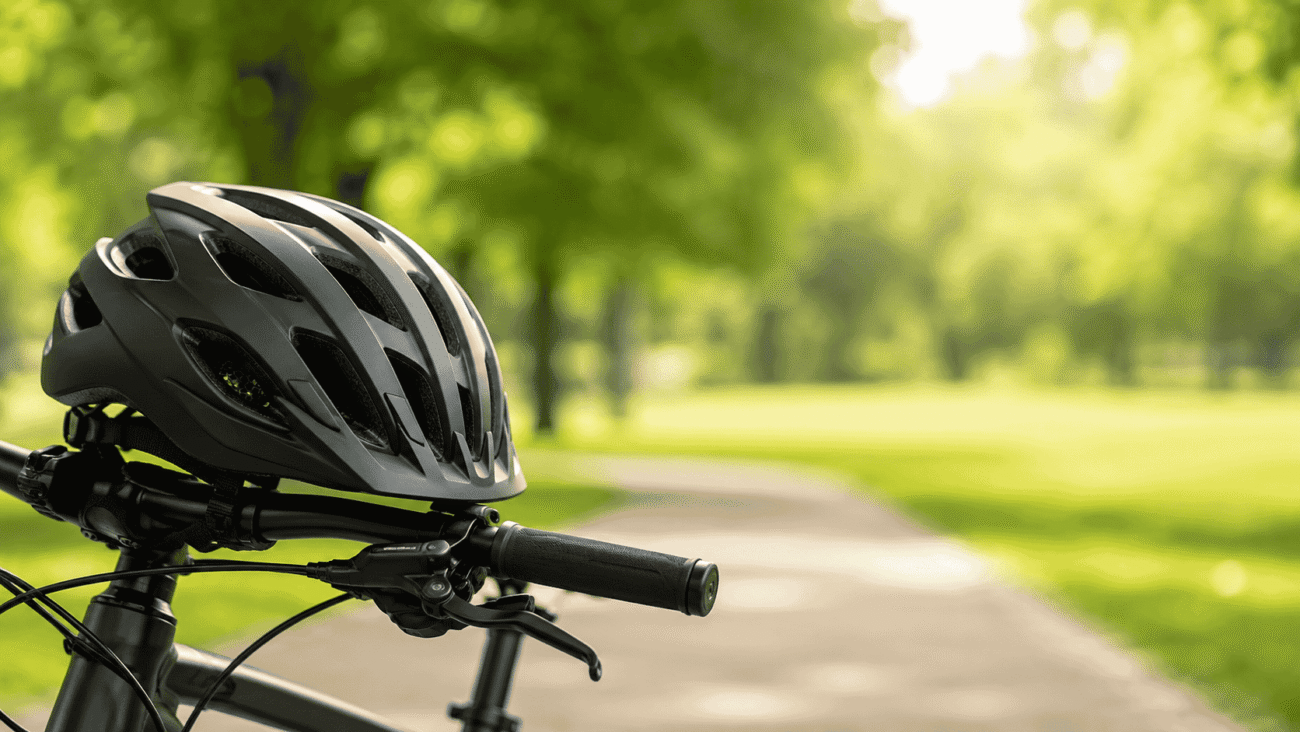
A bike helmet is one of the simplest pieces of cycling gear you can own, yet it’s also one of the most important. Whether you’re commuting through the city, exploring mountain trails, or teaching your child to ride for the first time, the right helmet can make a significant difference in protecting your head during a fall or collision.
Choosing a helmet isn’t just about picking a style that looks good. A proper fit, the right safety certification, and a design suited to your type of riding all play a role in comfort and protection.
In this guide, you’ll learn how bike helmets work, the differences between road, mountain, and dirt bike helmets, what to look for in a kids bike helmet, and when a full face mountain bike helmet is the best choice.
Why Wearing a Bike Helmet Matters
Even experienced riders can’t predict every situation on the road or trail. Loose gravel, wet pavement, unexpected obstacles, or another cyclist’s mistake can lead to a fall in seconds.
A bike helmet is designed to absorb part of the impact energy during a crash, helping reduce the force transferred to your head.
While no helmet can prevent every injury, wearing one properly increases your level of protection during many types of cycling accidents.
How a Bike Helmet Works
Modern bike helmets may look lightweight, but they’re built with carefully engineered materials.
Most helmets include:
- A hard outer shell
- Impact-absorbing foam liner
- Adjustable fit system
- Chin strap
- Ventilation channels
- Comfort padding
When an impact occurs, the foam compresses to help absorb energy, while the shell helps distribute the force across a larger area.
Because the foam is designed for impact absorption, helmets should generally be replaced after a significant crash, even if no visible damage appears.
Different Types of Bike Helmets
Not every helmet is designed for the same kind of riding.
Choosing the correct style improves both safety and comfort.
Road Bike Helmet
Road helmets are lightweight and highly ventilated.
They’re designed for long rides on paved roads where cooling and reduced weight are priorities.
Mountain Bike Helmet
Mountain bike helmets provide additional coverage around the back of the head compared to many road helmets.
They’re built for off-road riding, where falls may involve rocks, roots, or uneven terrain.
Many also include adjustable visors to help block sunlight and trail debris.
Full Face Mountain Bike Helmet
A full face mountain bike helmet offers the highest level of facial protection among mountain bike helmets.
In addition to covering the head, it includes a chin guard that protects the jaw and lower face.
These helmets are commonly used for:
- Downhill riding
- Enduro racing
- Bike parks
- Technical mountain trails
Because they provide extra protection, they’re generally heavier than open-face mountain bike helmets.
Dirt Bike Helmet
Although the names sound similar, a dirt bike helmet is different from a bicycle helmet.
Dirt bike helmets are designed specifically for motorized riding and meet different safety standards. They are generally heavier and built to handle the higher speeds associated with motorcycles.
A bicycle helmet should never be substituted for a dirt bike helmets when riding a motorized vehicle, and a dirt bike helmet may not be the most practical choice for regular cycling due to its weight and ventilation design.
Kids Bike Helmet: Choosing the Right One
A kids bike helmet should fit securely without causing discomfort.
Children often lose interest in wearing helmets if they feel heavy or awkward, so comfort is almost as important as proper protection.
When shopping for a child’s helmet, look for:
- Adjustable fit system
- Lightweight construction
- Proper safety certification
- Comfortable padding
- Easy-to-use buckle
- Bright colors or reflective elements for visibility
Always measure your child’s head before purchasing rather than choosing based only on age.
How to Find the Correct Helmet Size
Helmet sizing is simpler than many people expect.
Use a soft measuring tape to measure around the widest part of your head, about one inch above your eyebrows.
Compare the measurement with the manufacturer’s sizing chart.
A properly fitted helmet should:
- Sit level on your head
- Cover the forehead
- Feel snug without causing pressure
- Stay in place when you gently shake your head
- Allow the chin strap to fit comfortably beneath the jaw
Trying on several models is often the best way to find the most comfortable fit.
Features to Look for When Buying a Bike Helmet
Helmet technology has improved considerably over the years.
Here are several features worth considering.
Ventilation
Large air vents improve airflow and help keep riders comfortable during warm weather.
Road cyclists often prioritize ventilation, while downhill riders may accept fewer vents in exchange for greater protection.
Weight
A lighter helmet reduces neck fatigue during longer rides.
However, weight should never be the only factor when choosing a helmet.
Adjustment System
Most modern helmets include a rear dial that allows quick size adjustments.
This feature helps create a secure fit without excessive pressure.
Safety Certifications
Look for helmets that meet applicable U.S. safety standards.
Certification labels indicate that the helmet has been tested according to established requirements.
Comparing Common Helmet Types
| Helmet Type | Best For | Protection Level | Weight |
|---|---|---|---|
| Road helmet | Pavement riding | Good | Light |
| Mountain bike helmet | Trail riding | Very Good | Moderate |
| Full face mountain bike helmet | Downhill and enduro | Excellent | Heavier |
| Dirt bike helmet | Motorized off-road riding | High (motorcycle use) | Heaviest |
Choosing the right helmet depends more on your riding style than on appearance or price.
How to Choose the Right Bike Helmet
The best bike helmet isn’t necessarily the most expensive one. It’s the helmet that fits correctly, matches your riding style, and encourages you to wear it every time you ride.
Before making a purchase, think about where you’ll spend most of your time cycling.
Consider Your Riding Style
Different types of cycling require different levels of protection.
For example:
- Road cycling
- Mountain biking
- Gravel riding
- Urban commuting
- Trail riding
- Bike park riding
Matching the helmet to your primary activity helps you stay both comfortable and protected.
Prioritize Fit Over Appearance
A helmet with excellent safety features won’t perform as intended if it doesn’t fit properly.
The helmet should sit level on your head without sliding forward or backward when you move.
Think About the Climate
If you ride frequently during hot summers, look for a helmet with larger ventilation channels.
Better airflow can make long rides much more comfortable.
Caring for Your Bike Helmet
A helmet doesn’t require complicated maintenance, but regular care helps keep it in good condition.
Clean It Properly
Use mild soap, warm water, and a soft cloth.
Avoid harsh cleaning chemicals that could damage the helmet’s shell or internal materials.
Store It Carefully
Keep your helmet in a cool, dry place away from direct sunlight.
Long-term exposure to excessive heat can affect some helmet materials.
Inspect Before Every Ride
Take a quick look for:
- Cracks
- Loose straps
- Damaged buckles
- Compressed padding
- Worn adjustment system
If you notice damage, replace the helmet before riding again.
Replace After a Crash
Even if a helmet appears undamaged, its impact-absorbing foam may have been compromised during a significant collision.
Most manufacturers recommend replacing a helmet after any major impact.
Common Mistakes People Make
Many riders unintentionally reduce their helmet’s effectiveness by making a few common mistakes.
Wearing the Helmet Too Far Back
A helmet that exposes the forehead leaves an important area less protected.
The front edge should sit just above the eyebrows.
Leaving the Chin Strap Loose
A loose chin strap allows the helmet to move during a crash.
It should be snug enough that only one or two fingers fit comfortably beneath it.
Buying a Helmet That’s Too Large
Some people assume a larger helmet will feel more comfortable.
In reality, excessive movement reduces protection and can make riding uncomfortable.
Using the Wrong Helmet for the Activity
A dirt bike helmet is designed for motorized riding and is built differently from a bicycle helmet.
Likewise, a lightweight road helmet isn’t intended for downhill mountain biking, where riders often prefer a full face mountain bike helmet for added facial protection.
Pros and Cons of Different Helmet Styles
| Helmet Type | Pros | Cons |
|---|---|---|
| Road helmet | Lightweight, excellent ventilation | Less facial coverage |
| Mountain bike helmet | Better rear head protection | Slightly heavier |
| Full face mountain bike helmet | Maximum facial and jaw protection | Heavier and warmer |
| Dirt bike helmet | Built for motorized riding | Too heavy for most bicycle riding |
Each helmet has a purpose, so choosing one that matches your riding style is more important than following trends.
Expert Tips for Buying a Bike Helmet
Cycling experts often recommend focusing on fit and safety before extra features.
Try Several Models
Helmet shapes vary between manufacturers.
A model that feels perfect from one brand may not fit as comfortably from another.
Don’t Ignore Comfort
If a helmet feels uncomfortable after just a few minutes, you’re less likely to wear it consistently.
Comfort encourages regular use.
Replace Older Helmets
Helmet materials naturally age over time.
If your helmet is several years old, shows signs of wear, or has been involved in a crash, replacing it is a smart decision.
Register Your Helmet
Some manufacturers allow you to register your helmet after purchase.
Registration may help with warranty support or replacement programs, depending on the brand.
When Is a Full Face Helmet the Better Choice?
A full face mountain bike helmet isn’t necessary for every cyclist, but it offers additional protection in situations where crashes are more likely to involve the face or jaw.
It’s commonly recommended for:
- Downhill mountain biking
- Enduro racing
- Lift-served bike parks
- Technical rocky trails
- High-speed descents
For casual neighborhood rides or paved bike paths, a standard bicycle helmet is usually more practical because it’s lighter and offers better ventilation.
Is a Bike Helmet Worth the Investment?
Absolutely.
Compared with the overall cost of a bicycle, a quality bike helmet is a relatively small investment that can provide valuable protection every time you ride.
Whether you’re buying your first helmet, replacing an older model, shopping for a kids bike helmet, or considering a full face mountain bike helmet for technical trails, choosing the right helmet is one of the smartest decisions you can make as a cyclist.
The best helmet is the one that fits properly, meets recognized safety standards, and becomes a habit every time you head out for a ride.
FAQs
How do I know if a bike helmet fits correctly?
A bike helmet should sit level on your head and cover your forehead without tilting backward. It should feel snug without causing discomfort, and it shouldn’t shift when you gently move your head. The chin strap should fit securely with only one or two fingers fitting between the strap and your chin.
How often should I replace my bike helmet?
Replace your helmet immediately after a significant crash, even if there is no visible damage. If it hasn’t been involved in an accident, inspect it regularly for cracks, worn straps, or damaged padding. Many manufacturers also recommend replacing older helmets after several years of use. Check the manufacturer’s guidance for the recommended replacement timeline.
Is a kids bike helmet different from an adult helmet?
Yes. A kids bike helmet is specifically designed for smaller head sizes and lighter weight. It often includes adjustable fit systems, extra comfort padding, and colorful designs that encourage children to wear their helmets consistently.
Can I use a dirt bike helmet while riding a bicycle?
A dirt bike helmet is designed for motorized riding and complies with different safety standards than bicycle helmets. While it offers substantial protection, it is generally heavier and less ventilated, making it impractical for most bicycle riding. It’s best to use a helmet designed specifically for your activity.
When should I choose a full face mountain bike helmet?
A full face mountain bike helmet is ideal for downhill riding, enduro races, bike parks, and technical mountain trails where there’s a greater chance of high-impact crashes. For everyday road cycling or casual rides, a standard bicycle helmet is usually lighter and more comfortable.
Conclusion
A bike helmet is more than just another cycling accessory—it’s one of the most important pieces of safety equipment you can own. Whether you’re commuting through city streets, exploring wooded trails, or helping your child learn to ride, wearing a properly fitted helmet should always be part of your routine.
Choosing the right helmet starts with understanding your riding style. A lightweight road helmet works well for pavement, a kids bike helmet provides the right fit and protection for young riders, and a full face mountain bike helmet offers extra coverage for demanding downhill trails. Meanwhile, a dirt bike helmet should only be used for motorized off-road riding, as it’s built for a different purpose.
Take time to find a helmet that fits comfortably, meets recognized U.S. safety standards, and suits the type of cycling you enjoy most. With the right helmet and consistent riding habits, you’ll be better prepared to enjoy every ride with greater confidence and peace of mind.
